

Asian Food Market valued at US$39.0 Bn in 2026 driven by rising demand and urbanization
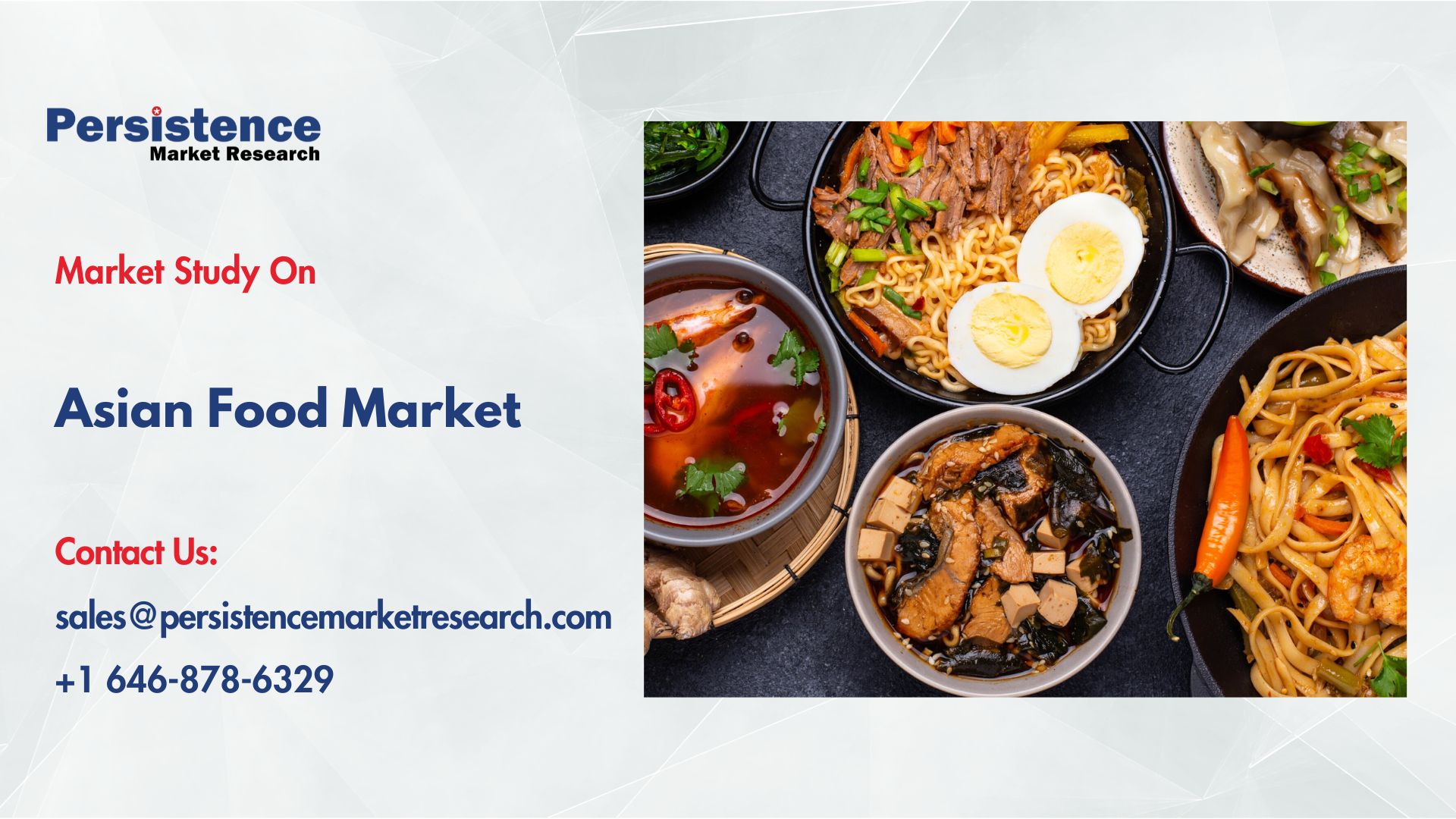
The Asian food market is valued at US$39.0 Bn in 2026 and is forecast to reach US$66.8 Bn by 2033, growing at a CAGR of 8.0% during 2026–2033
BRENTFORD, ENGLAND, UNITED KINGDOM, February 9, 2026 /EINPresswire.com/ -- The global Asian food market is witnessing a period of accelerated growth, driven by evolving consumer preferences, increasing cultural exchange, and the rising popularity of ethnic cuisines worldwide. Asian food, encompassing a diverse range of culinary traditions from East Asia, South Asia, Southeast Asia, and the Middle East, has transitioned from a niche ethnic offering to a mainstream category across retail, foodservice, and online platforms. The market’s expanding footprint reflects not only changing dietary habits but also growing interest in authentic flavors, health-oriented ingredients, and convenient meal solutions.
The global Asian food market size is estimated to be valued at US$ 39.0 billion in 2026 and is projected to reach US$ 66.8 billion by 2033. This represents a robust compound annual growth rate (CAGR) of 8.0% during the forecast period from 2026 to 2033. The strong growth outlook underscores the market’s resilience and its ability to adapt to shifting consumer lifestyles and food consumption patterns across regions.
Key factors driving market growth include rising urbanization, increasing disposable incomes, and greater exposure to international cuisines through travel, media, and digital platforms. The growing multicultural population in developed economies has significantly contributed to demand for authentic Asian food products, while younger consumers are increasingly seeking bold flavors and diverse culinary experiences. Additionally, the expansion of quick-service restaurants, casual dining chains, and ready-to-eat meal formats is amplifying the reach of Asian food offerings across both mature and emerging markets.
Get Your FREE Sample Report Instantly – Click Now: https://www.persistencemarketresearch.com/samples/6853
Segmentation Analysis
By Product Type
• Instant Noodles
• Prepared Meals
• Snacks
• Sauces & Condiments
• Others
By Nature
• Vegetarian
• Non-vegetarian
Need Tailored Insights? Request Customization Now: https://www.persistencemarketresearch.com/request-customization/6853
Regional Insights
The Asian food market demonstrates strong regional diversity, with growth patterns influenced by cultural demographics, economic development, and consumer openness to international cuisines.
Asia Pacific remains the largest regional market, supported by its vast population base, deep-rooted culinary traditions, and high domestic consumption of Asian food products. Countries such as China, India, Japan, Thailand, and South Korea are major contributors, with both traditional consumption and modernized packaged food formats driving demand. The region also serves as a key production and export hub for Asian food products, supplying markets worldwide.
North America represents one of the most lucrative markets outside Asia, driven by a multicultural population, high consumer spending power, and strong demand for ethnic and international cuisines. The United States and Canada have witnessed significant growth in Asian restaurants, packaged foods, and meal kits, supported by changing consumer preferences and increased retail shelf space dedicated to ethnic foods.
Europe continues to experience steady growth, with rising interest in Asian flavors among younger consumers and expanding availability through mainstream retail and foodservice channels. Countries such as the United Kingdom, Germany, and France are leading markets, supported by tourism, immigration, and culinary experimentation.
The Middle East and Africa are expected to register the fastest growth during the forecast period. Rapid urbanization, increasing exposure to global food trends, and a growing expatriate population are driving demand for Asian food products across retail and foodservice sectors in this region.
Unique Features and Innovations in the Market
Modern Asian food solutions are increasingly differentiated by innovation in product formulation, packaging, and digital engagement. Manufacturers are focusing on preserving authentic flavors while adapting products to meet local taste preferences, dietary requirements, and regulatory standards. Clean-label formulations, reduced sodium and sugar content, and the use of natural ingredients are becoming key differentiators in competitive markets.
Technologies such as artificial intelligence and data analytics are being leveraged to analyze consumer preferences, optimize product development, and enhance demand forecasting. IoT-enabled supply chain systems are improving traceability, quality control, and inventory management, particularly for frozen and perishable Asian food products. Digital marketing and social media platforms are also playing a crucial role in promoting Asian cuisines, influencing consumer awareness and driving trial and adoption.
Market Highlights
The rapid adoption of Asian food products is driven by their flavor diversity, perceived health benefits, and adaptability to modern lifestyles. Consumers are increasingly drawn to Asian cuisines for their balance of taste and nutrition, as well as their compatibility with plant-based, flexitarian, and wellness-oriented diets.
Regulatory frameworks related to food safety, labeling, and import standards continue to shape market operations, particularly for cross-border trade. Compliance with international food quality standards and sustainability initiatives is becoming increasingly important for manufacturers and exporters seeking to expand their global footprint.
Cost efficiency, scalability, and the ability to cater to both premium and mass-market segments make Asian food an attractive category for retailers and foodservice operators alike. These factors collectively reinforce strong market adoption across regions.
Secure Your Full Report – Proceed to Checkout: https://www.persistencemarketresearch.com/checkout/6853
Key Players and Competitive Landscape
• Ajinomoto Co. Inc.
• Nissin Food Holdings
• Nestlé S.A
• Toyo Suisan Kaisha Ltd.
• Calbee Group
• ITC Limited
• Unilever PLC
• Kikkoman Corporation
• Asians Food Products
• ConAgra Brands
Future Opportunities and Growth Prospects
The future of the global Asian food market is closely tied to evolving consumer lifestyles, technological advancements, and regulatory developments. Continued growth in urban populations, increasing demand for convenience foods, and rising interest in global cuisines are expected to sustain strong market momentum.
Opportunities exist in plant-based Asian food products, functional and fortified foods, and premium ready-to-eat meals. Digital platforms and direct-to-consumer models will further enhance market reach and customer engagement. Additionally, evolving regulations related to food sustainability, packaging waste, and nutritional transparency will encourage innovation and responsible business practices.
Overall, the global Asian food market is poised for dynamic and sustained growth through 2033, offering significant opportunities for manufacturers, retailers, and investors seeking exposure to one of the fastest-growing segments of the global food industry.
Explore the Latest Trending Research Reports:
Sterols Market Opportunities
Flaxseeds Market Opportunities
Aishwarya Doiphode
Persistence Market Research
+1 646-878-6329
email us here
Visit us on social media:
LinkedIn
Instagram
YouTube
X
Legal Disclaimer:
EIN Presswire provides this news content "as is" without warranty of any kind. We do not accept any responsibility or liability for the accuracy, content, images, videos, licenses, completeness, legality, or reliability of the information contained in this article. If you have any complaints or copyright issues related to this article, kindly contact the author above.
